
 & Bring
Why Bring chose Elonroad
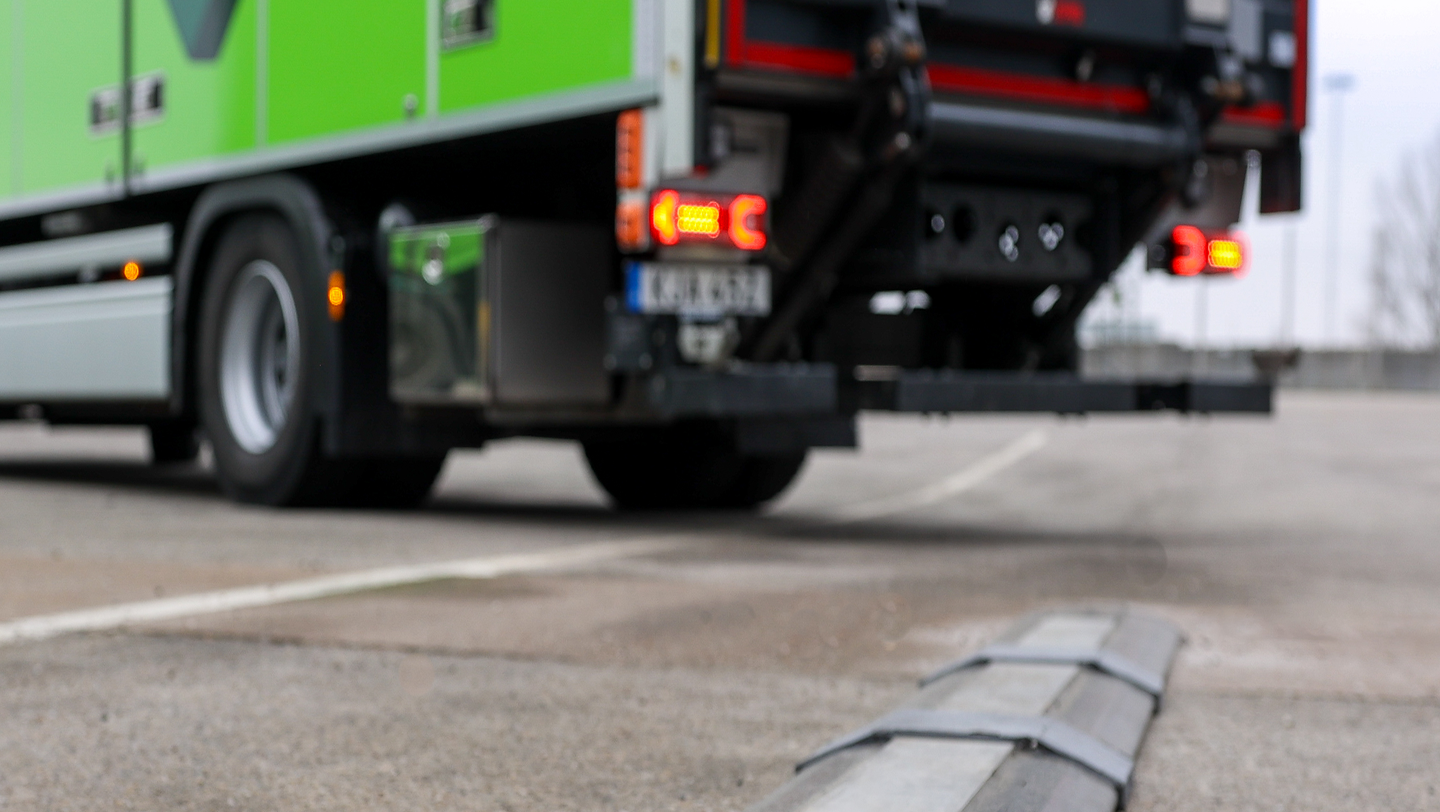
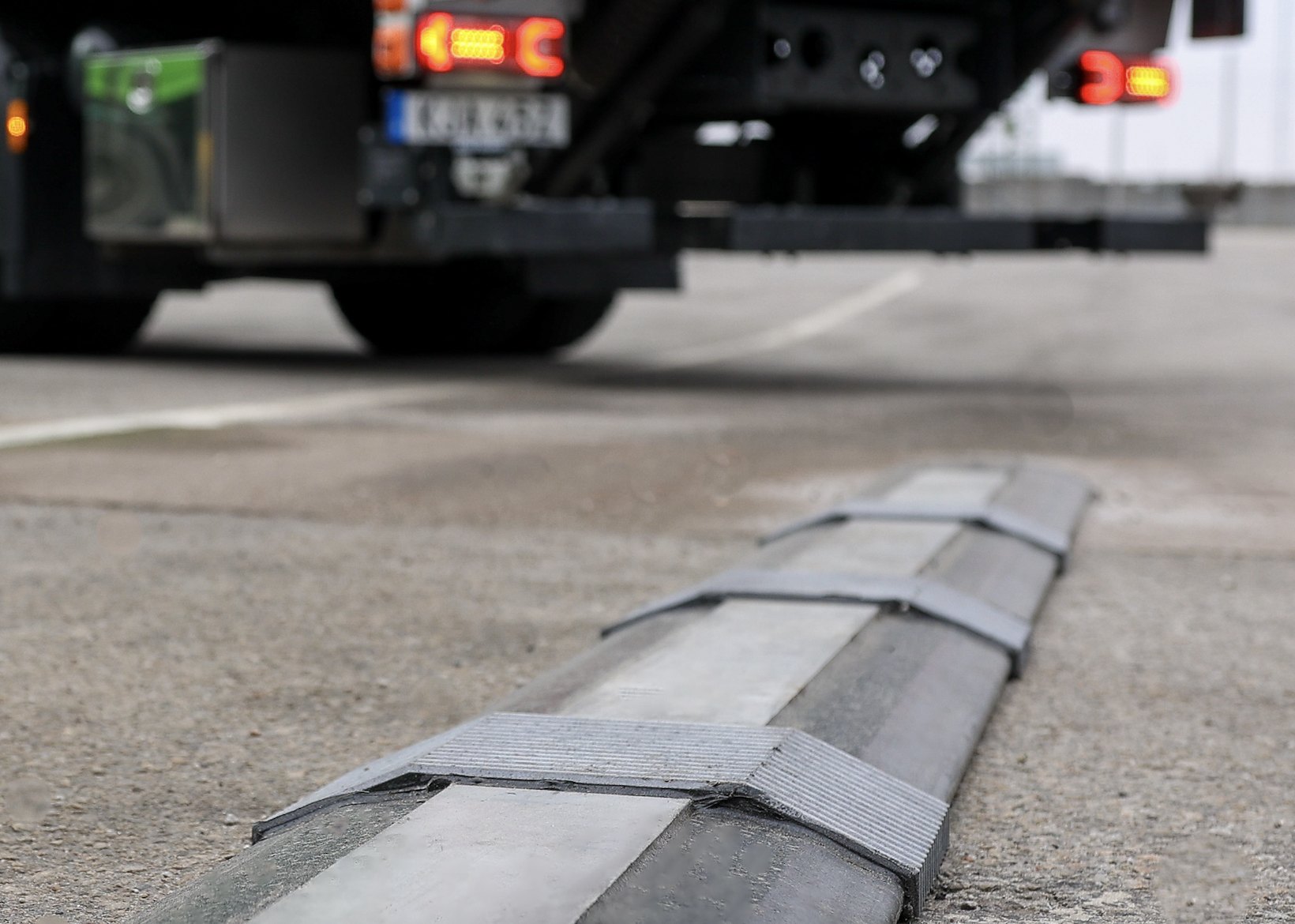
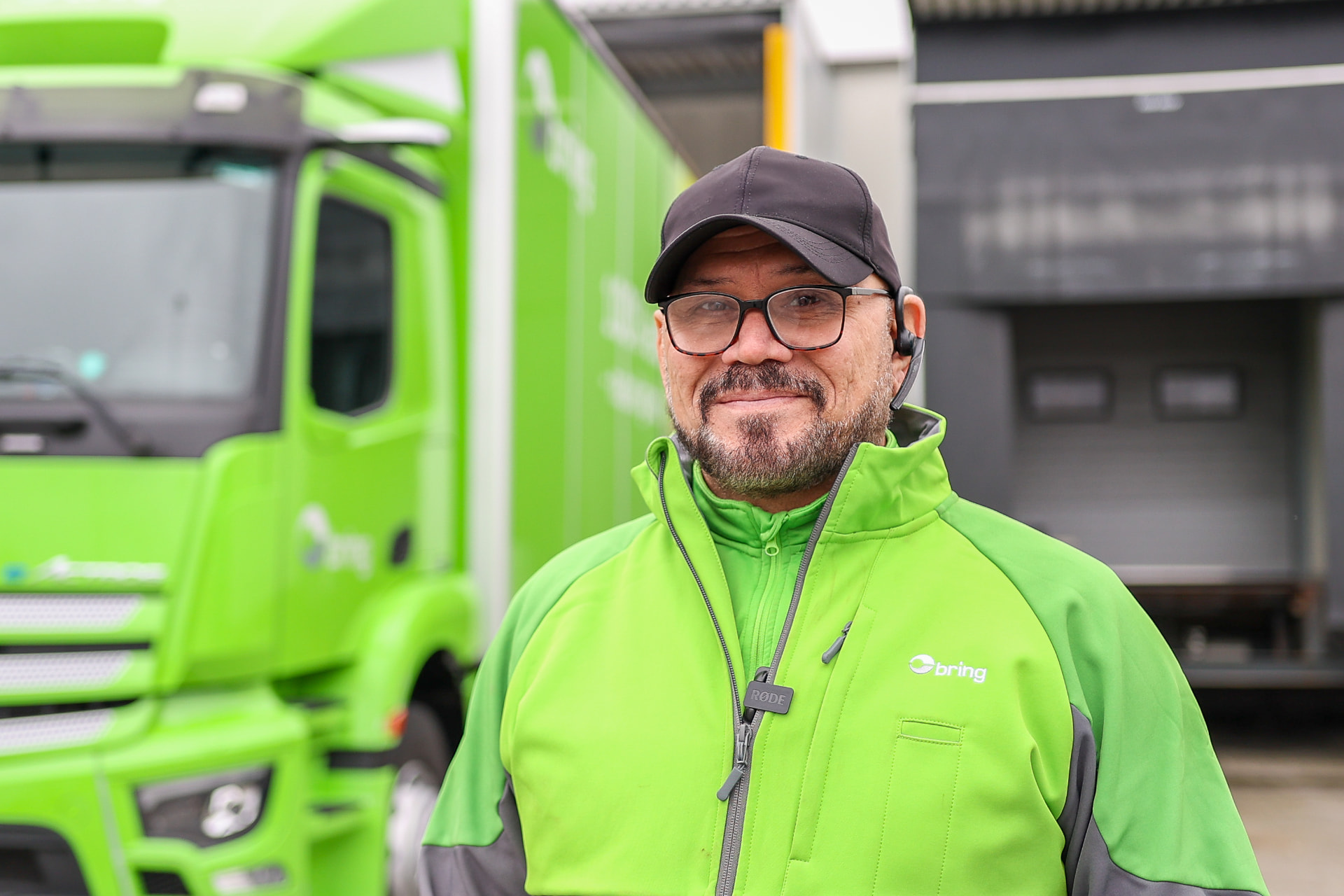
Bring is going fossil-free by 2030, and heavy trucks are one of the hardest parts of that shift. They use the most energy and run tight schedules. At the Malmö terminal, Bring's electric trucks now charge automatically on a stationary charging rail while they load and unload. Time at the dock becomes charging time, and electrification stops competing with the work.
Challenge
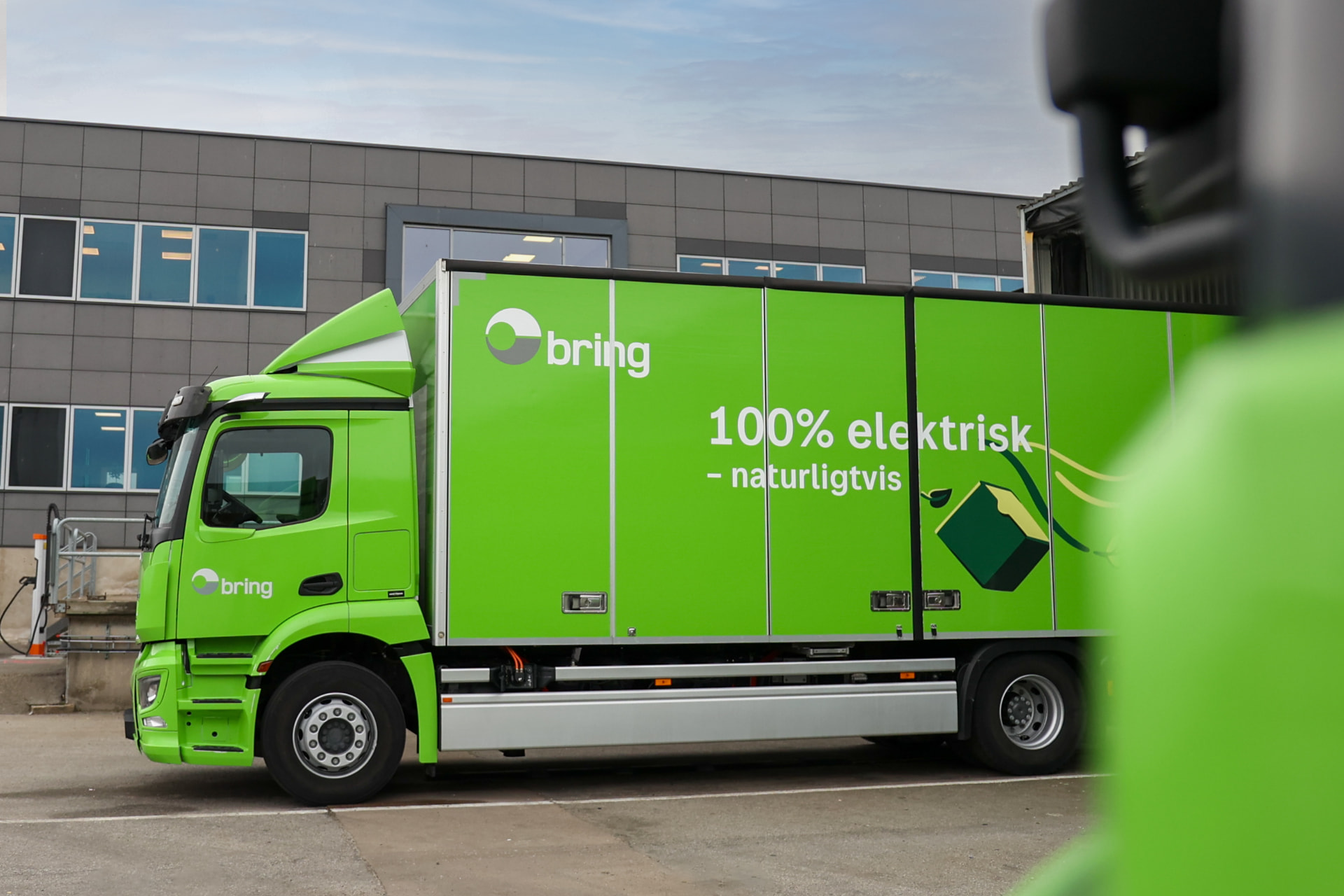
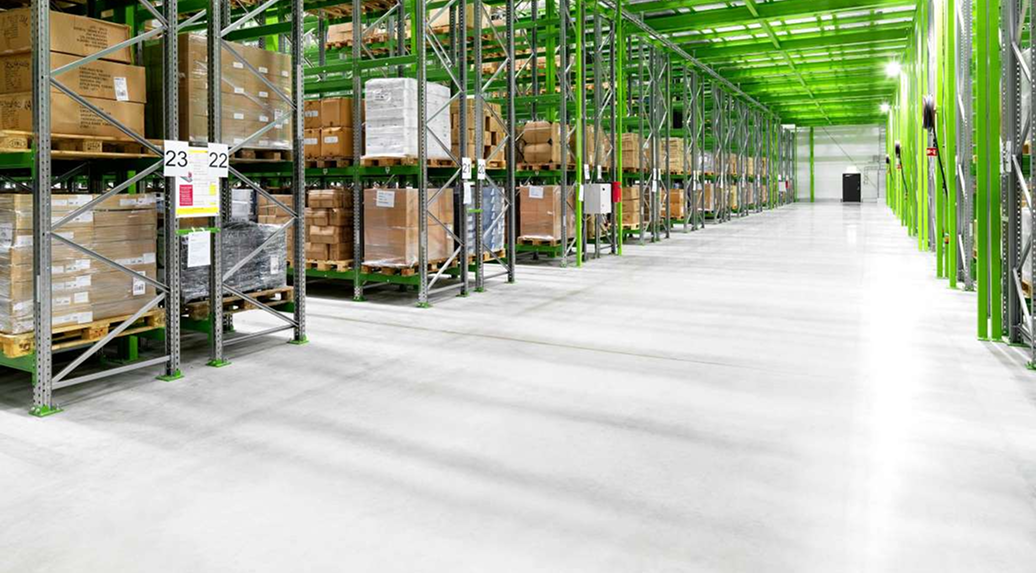
Bring, part of the Posten Bring group and the fourth largest postal service in the Nordics, has committed to cutting emissions from its own vehicles and buildings by 85% by 2030 and reaching net zero by 2040, with a fully fossil-free fleet by the same year. Certified under ISO 14001 and ISO 9001 for environmental and quality standards, Bring is committed to sustainability. In pursuit of this, Bring responded to a recent call for tender aimed at innovative solutions to further reduce CO2 emissions in urban logistics, starting with the Malmö distribution center.


“It is incredibly exciting to collaborate with different stakeholders and together come up with a solution that facilitates and accelerates the electrification transition. To face the future, courage and cooperation are required, as we will need to implement solutions we do not fully understand today.”
Solution
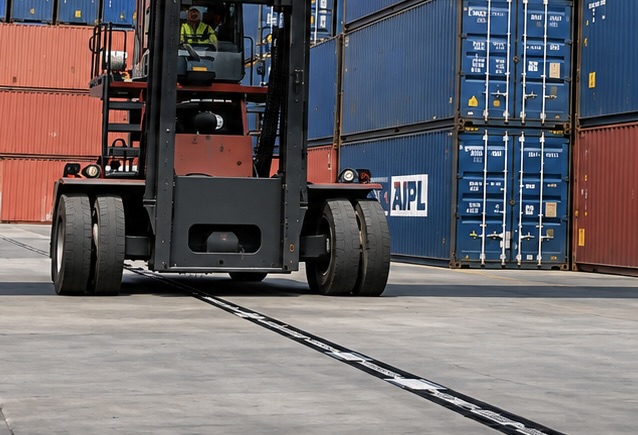
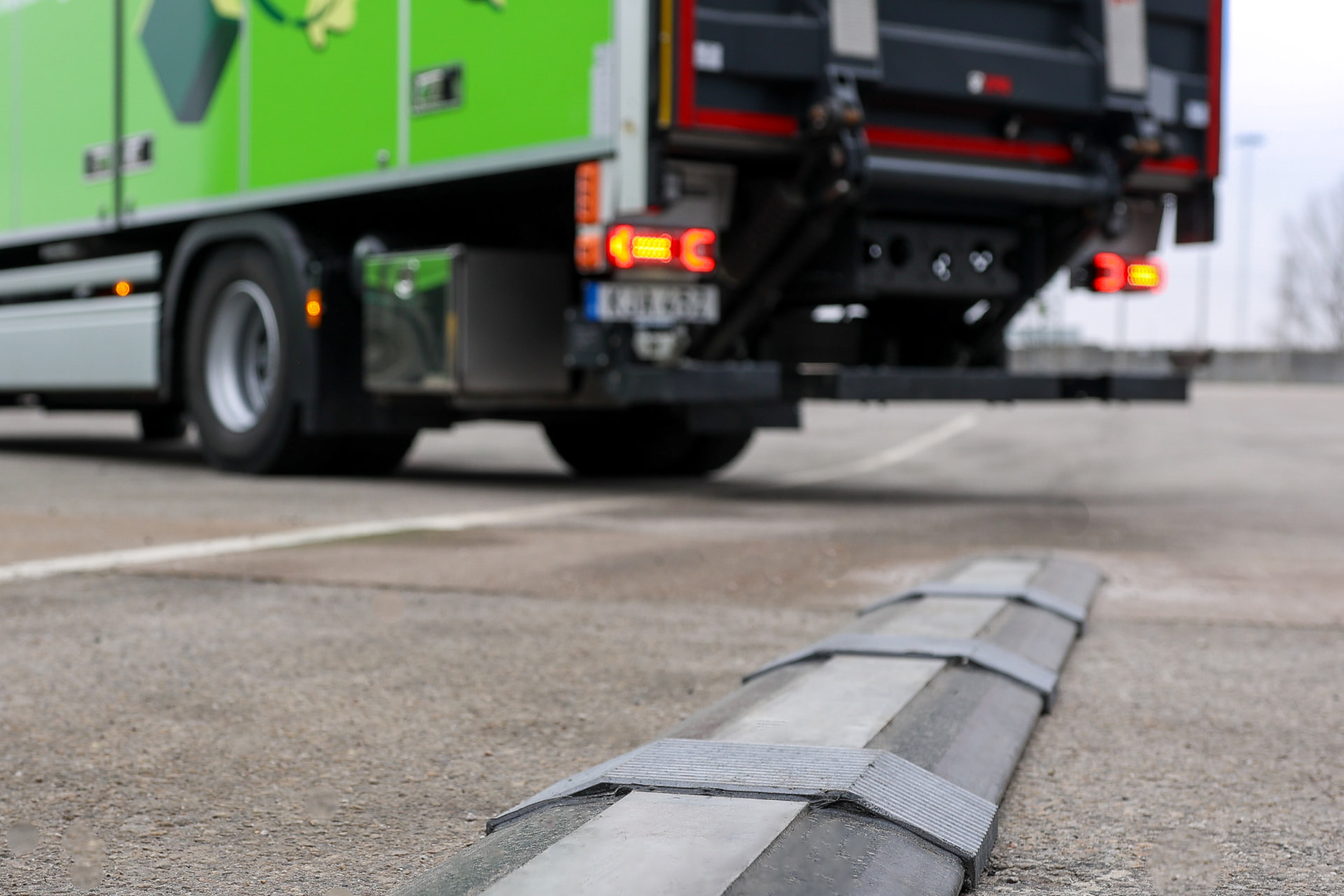
Bring partnered with Elonroad to deploy a 150kW HGV version of their automatic charging infrastructure in Malmö. This solution focuses on automated, space-efficient, dock-based stationary charging for heavy goods vehicles. With technical consultancy from Daimler Trucks, the system ensures a perfect fit and maintains factory warranties.
Bring has been a fantastic partner for many years. They see the value in testing new solutions to scale electrification as fast as possible.Karin Ebbinghaus, CEO Elonroad
The outcome
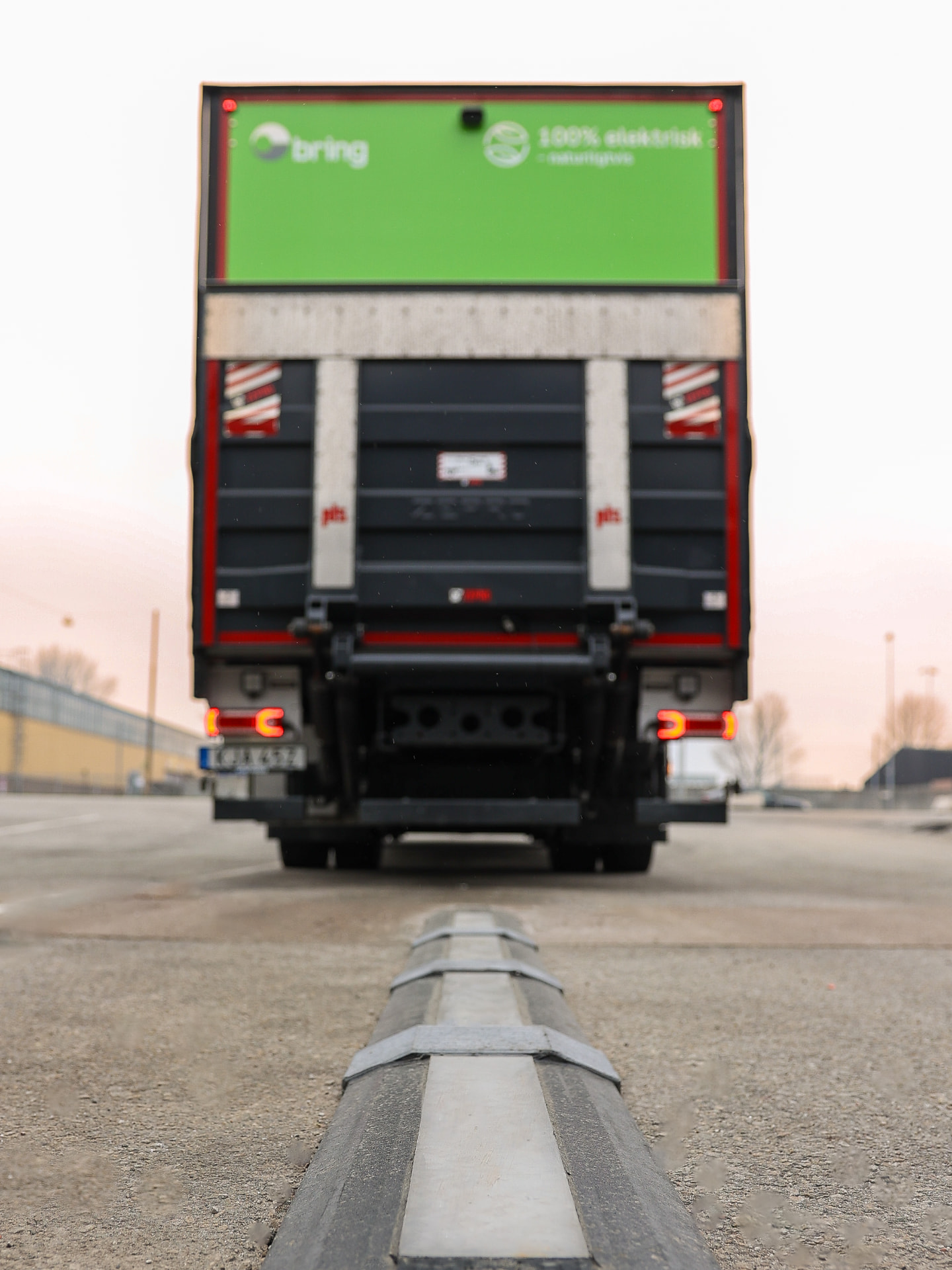
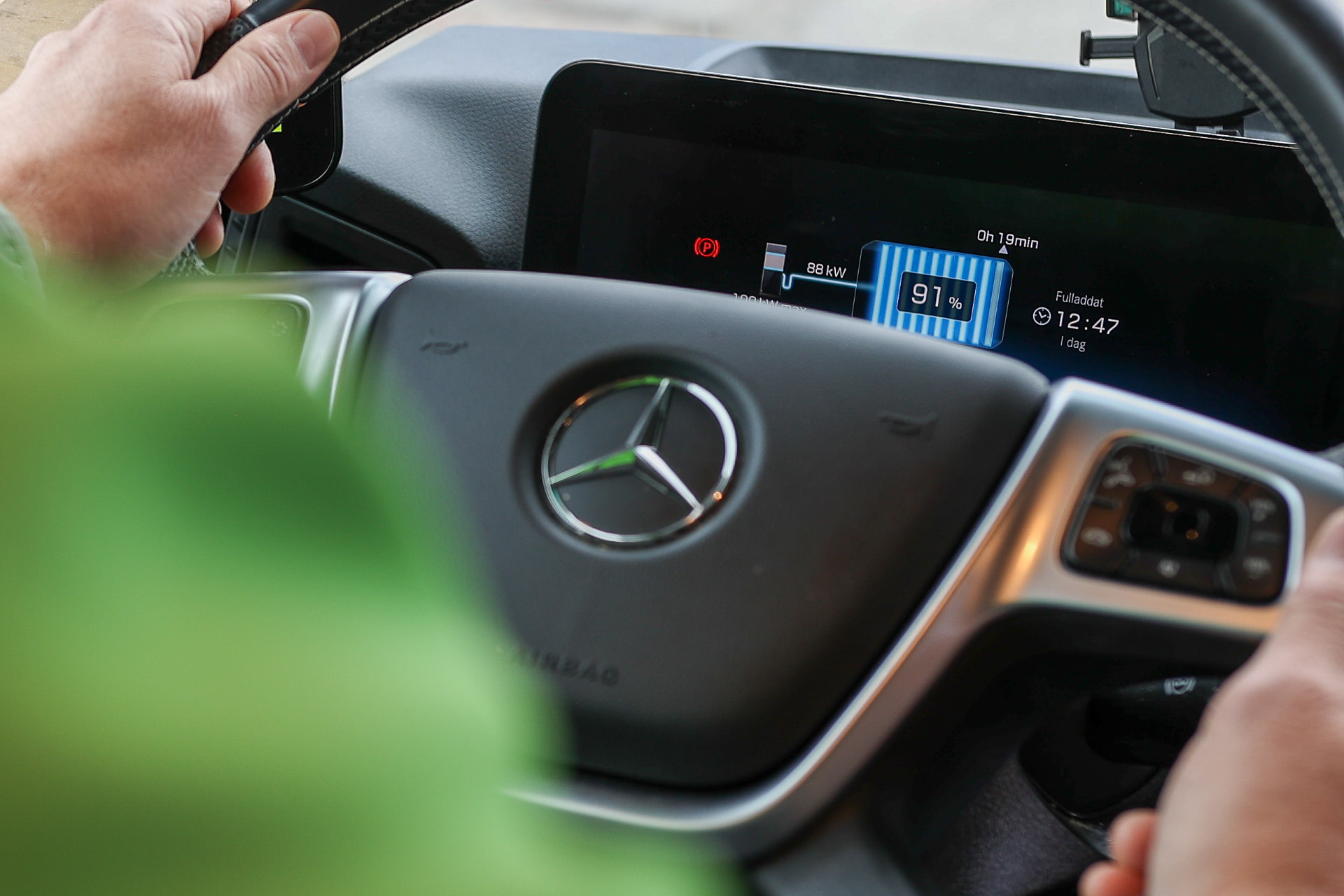
Since February 2025, Bring's truck in Malmö has charged on the rail almost every working day, with a high success rate.
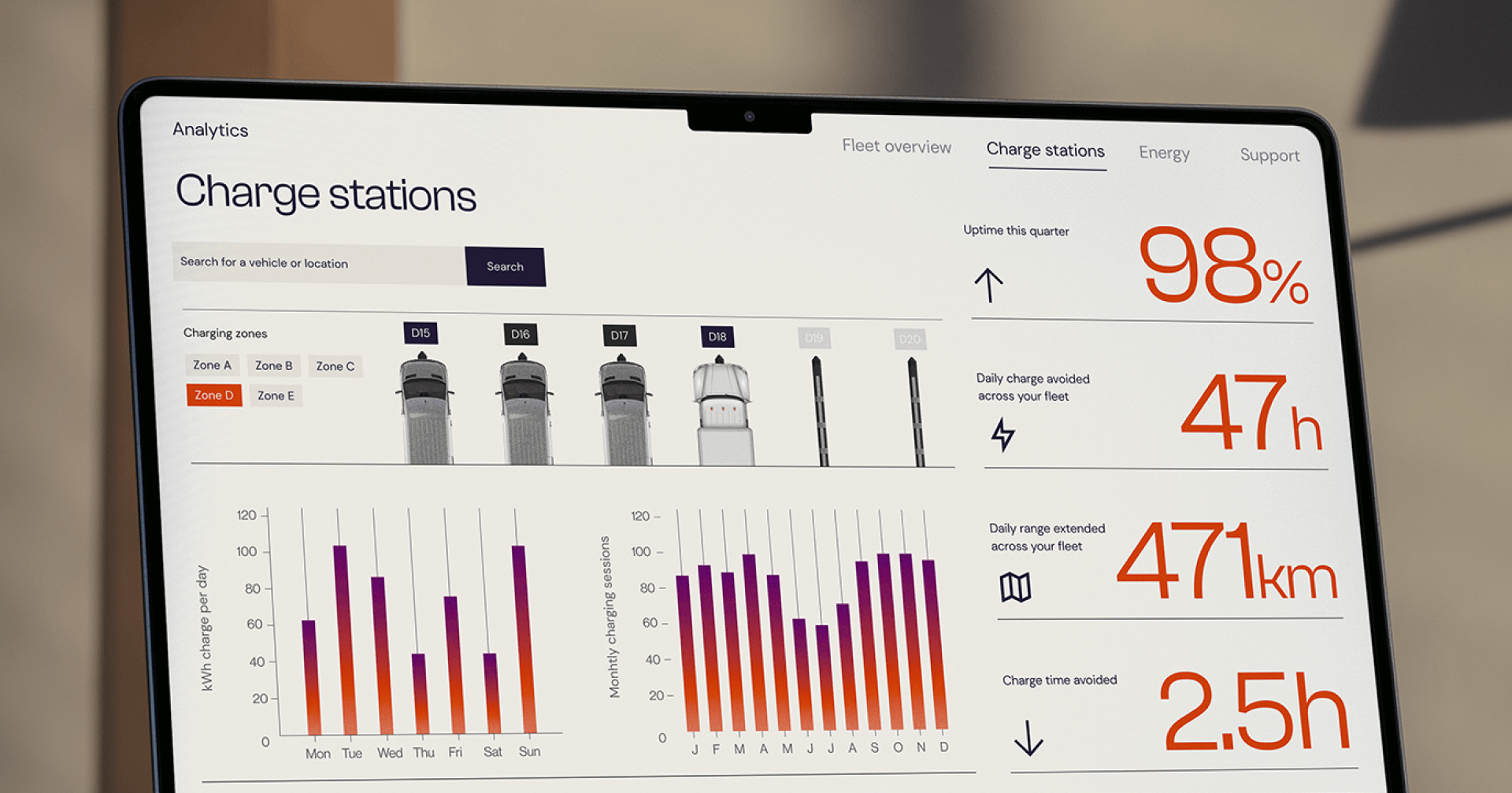
The data has also changed how Bring plans. With battery status visible per session, Bring can see there is room for a second shift on the same truck, charging at the dock instead of standing still at a charger. That means more freight moved without fossil fuel, and fewer extra trucks needed as the fleet goes electric.
Malmö could pave the way for scaling the technology to more of Bring's terminals, bringing the 2030 target closer. And the more operators and vehicle makers that join, the stronger the case becomes, with Bring leading the way toward emission-free logistics.