
 & ITS
Why ITS chose Elonroad
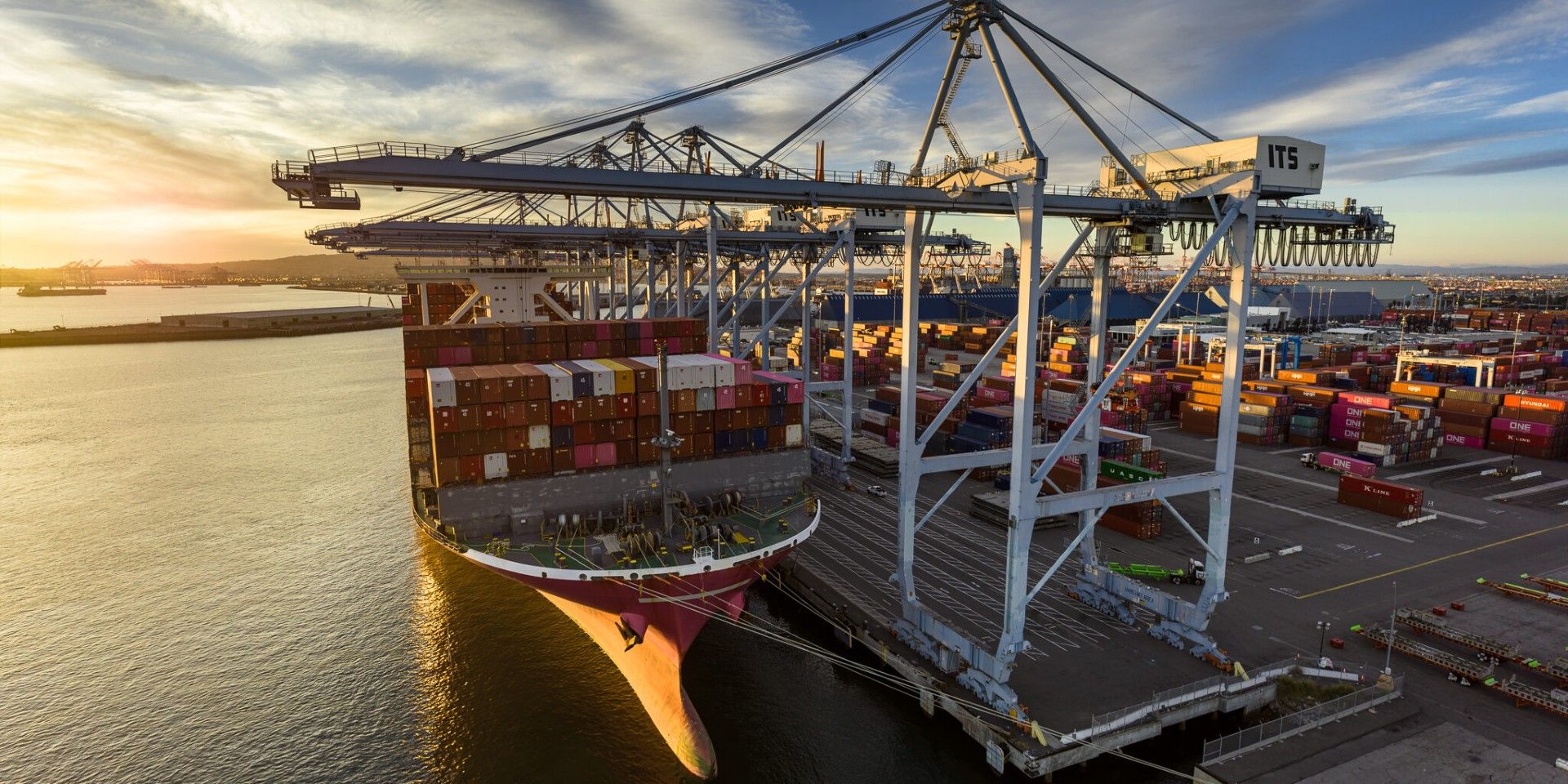
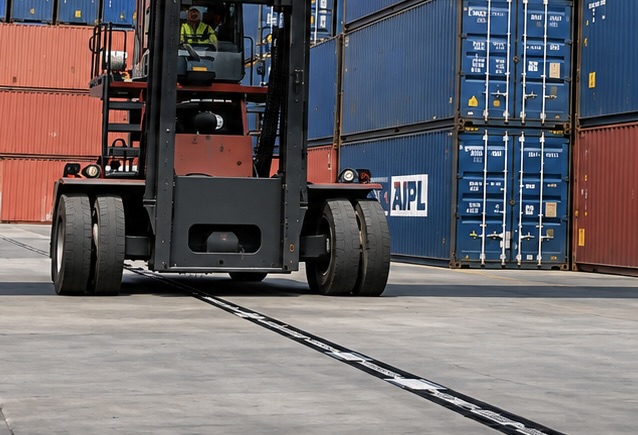
International Transportation Service LLC (ITS) operates one of the busiest terminals at Port of Long Beach, California. As part of its green transition, ITS partnered with Elonroad to combine dynamic and stationary conductive charging for its cargo handling equipment fleet.
Challenge
Elonroad was selected by International Transportation Service LLC (ITS) at Port of Long Beach, California, to provide dynamic and stationary charging solutions as part of ITS's green transition efforts. The project, funded by the California Energy Commission (CEC) and ITS, supports ITS's and Port of Long Beach's goal of a zero-emission cargo handling equipment fleet by 2030, in line with the Clean Air Action Plan adopted by Port of Long Beach in 2007. For a busy container terminal, that means electrifying vehicles in a yard where space is tight and every minute at a charger is a minute not moving containers.
Solution
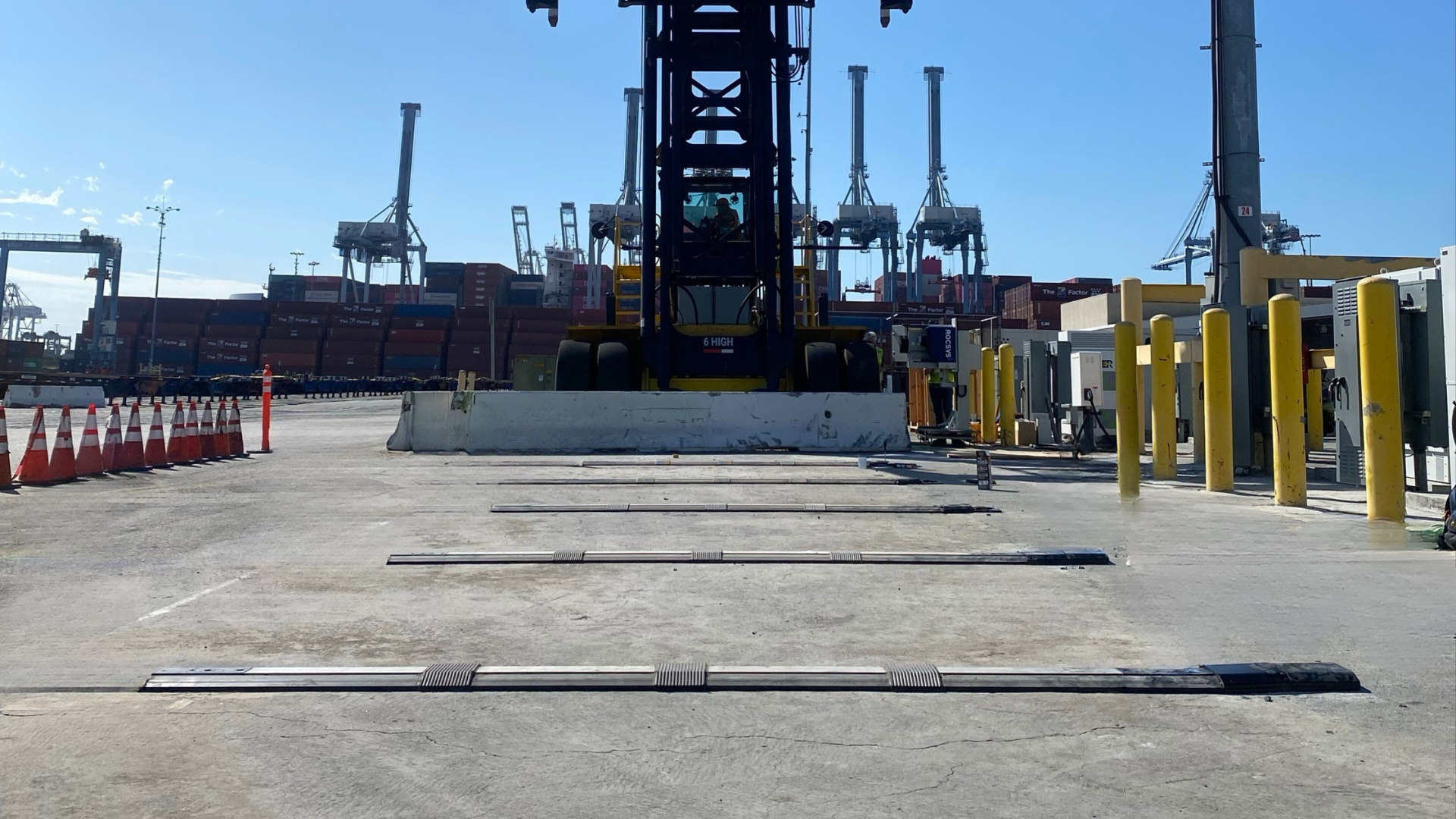
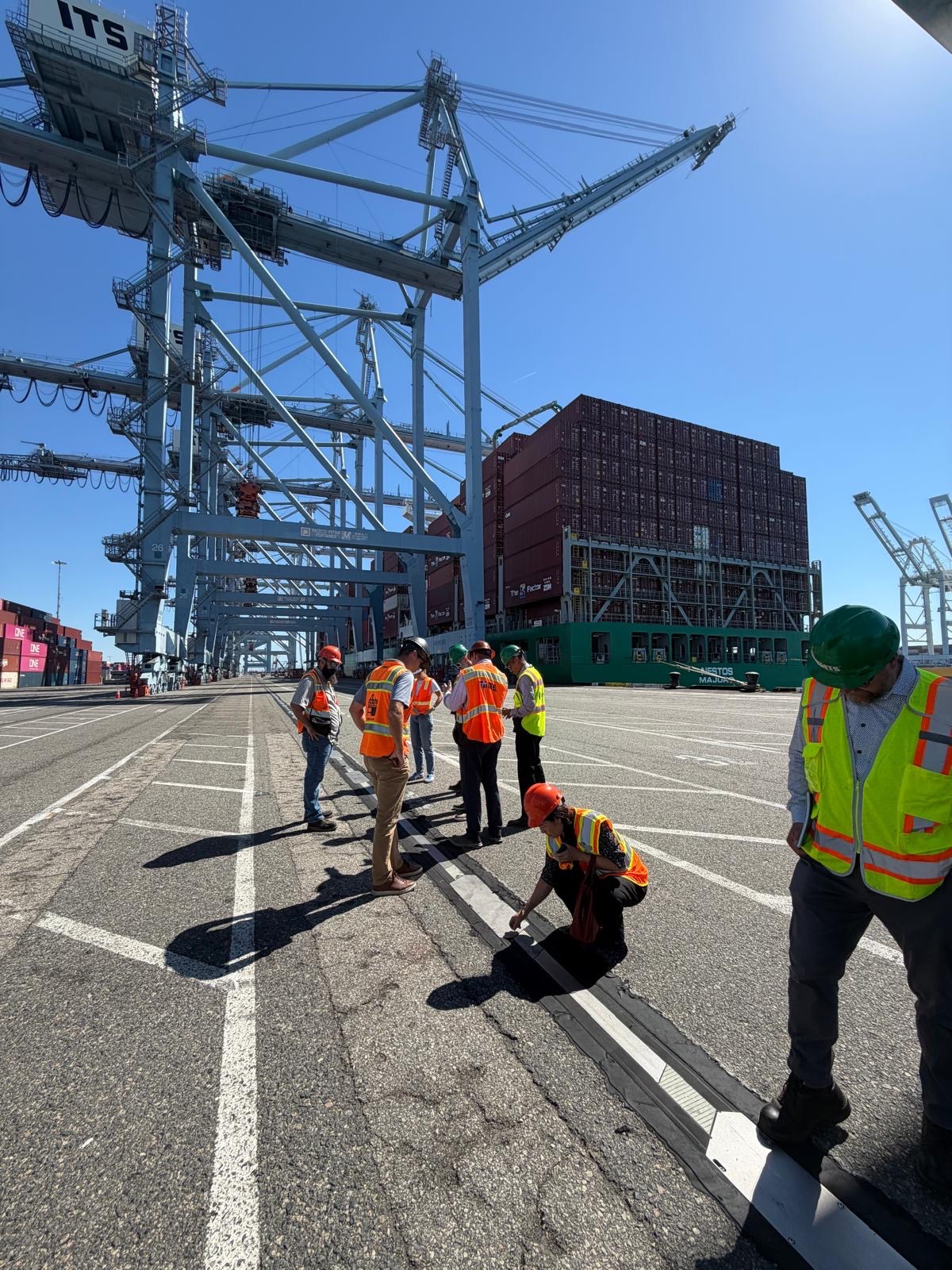
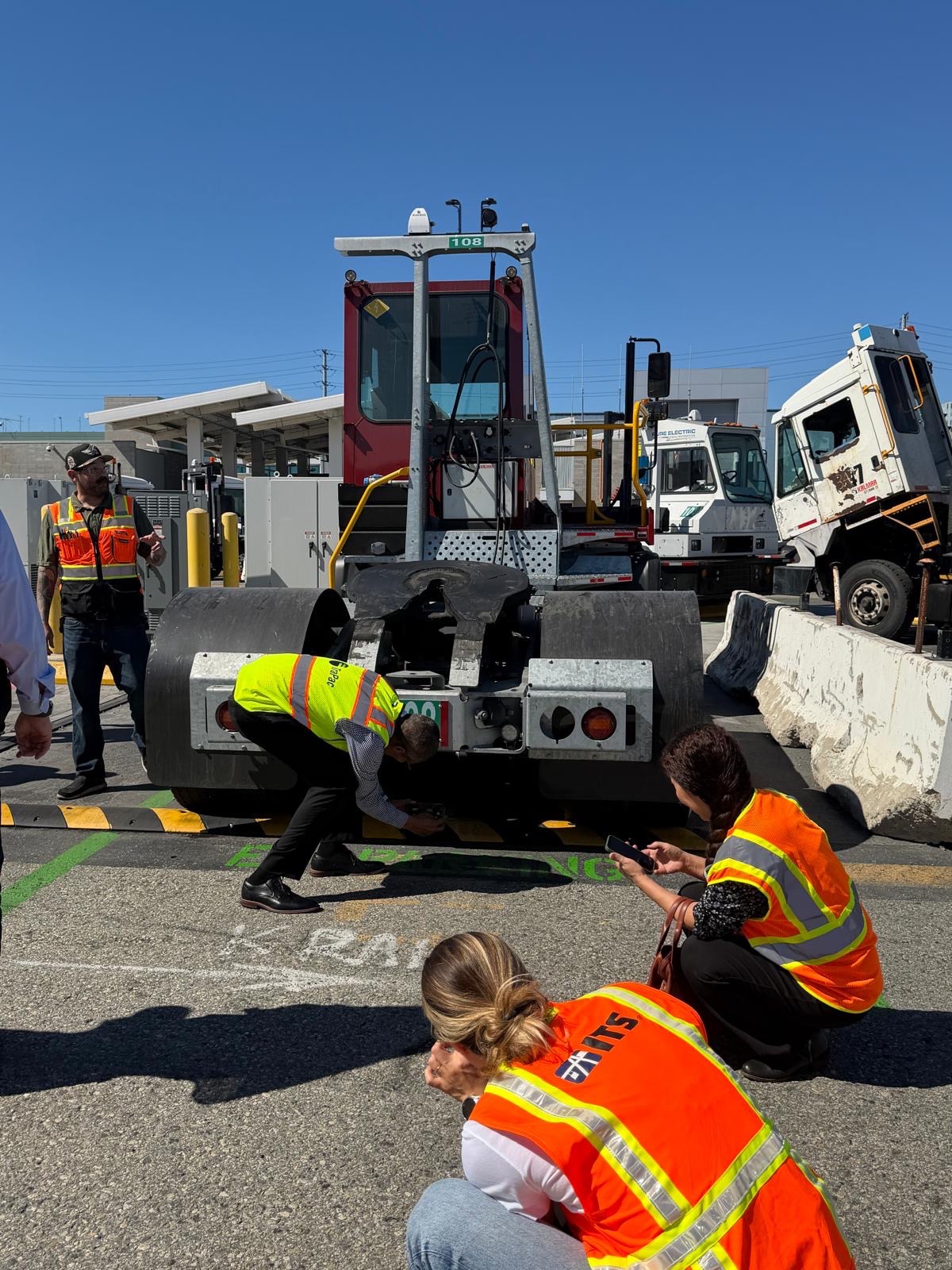
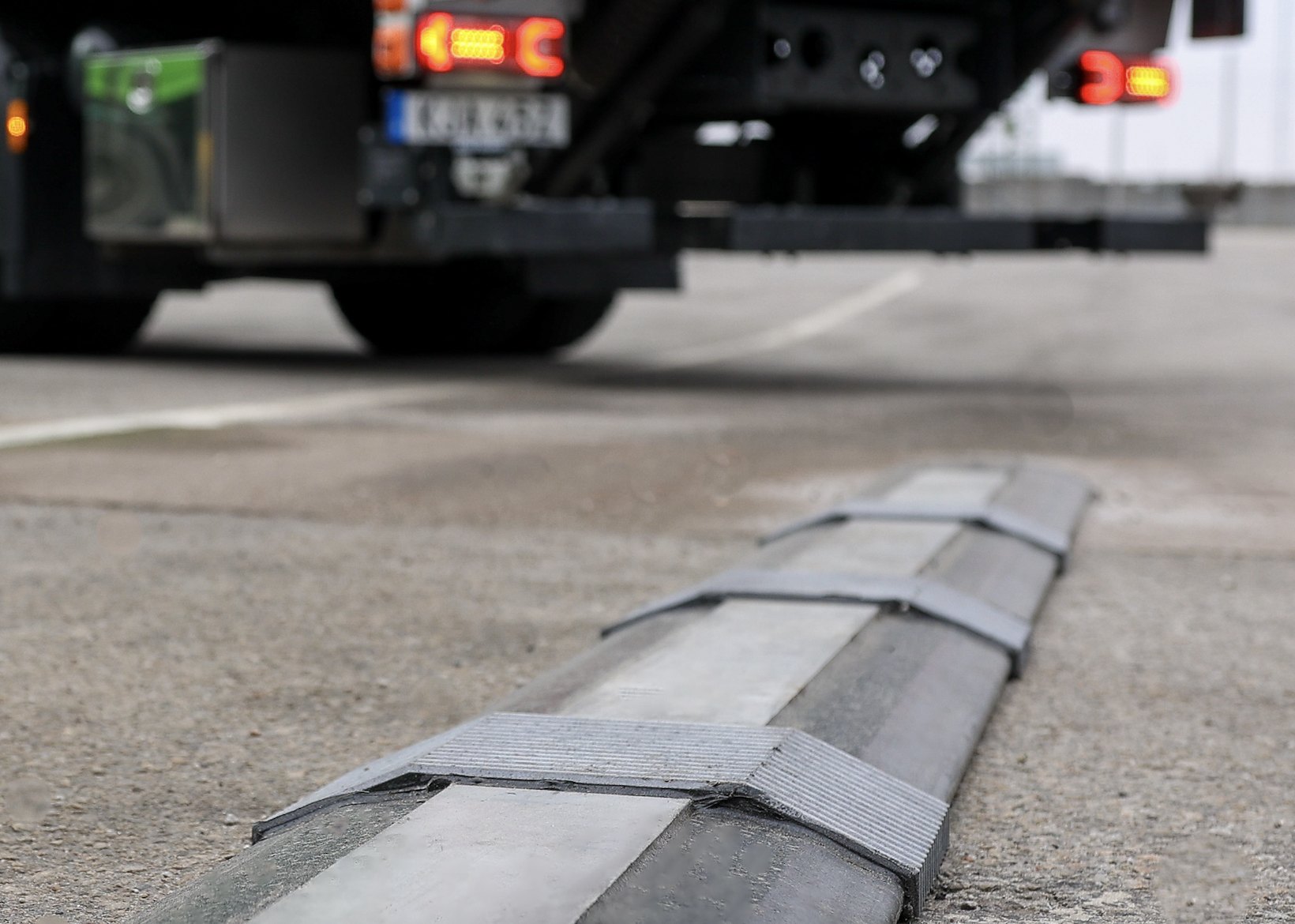
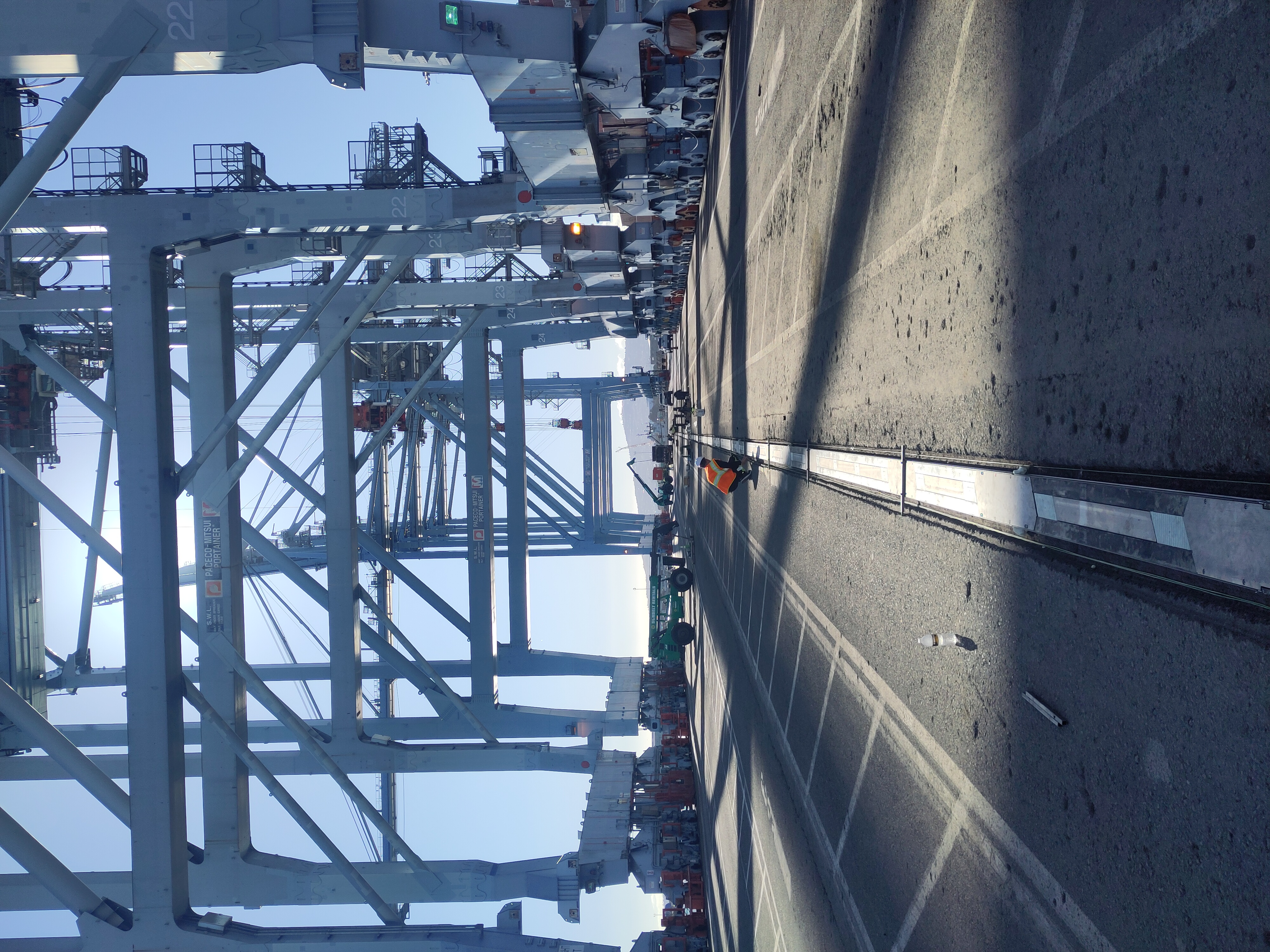
Elonroad has installed five stationary charging stations and a 360 meter electric road for dynamic charging beneath the ship-to-shore cranes.
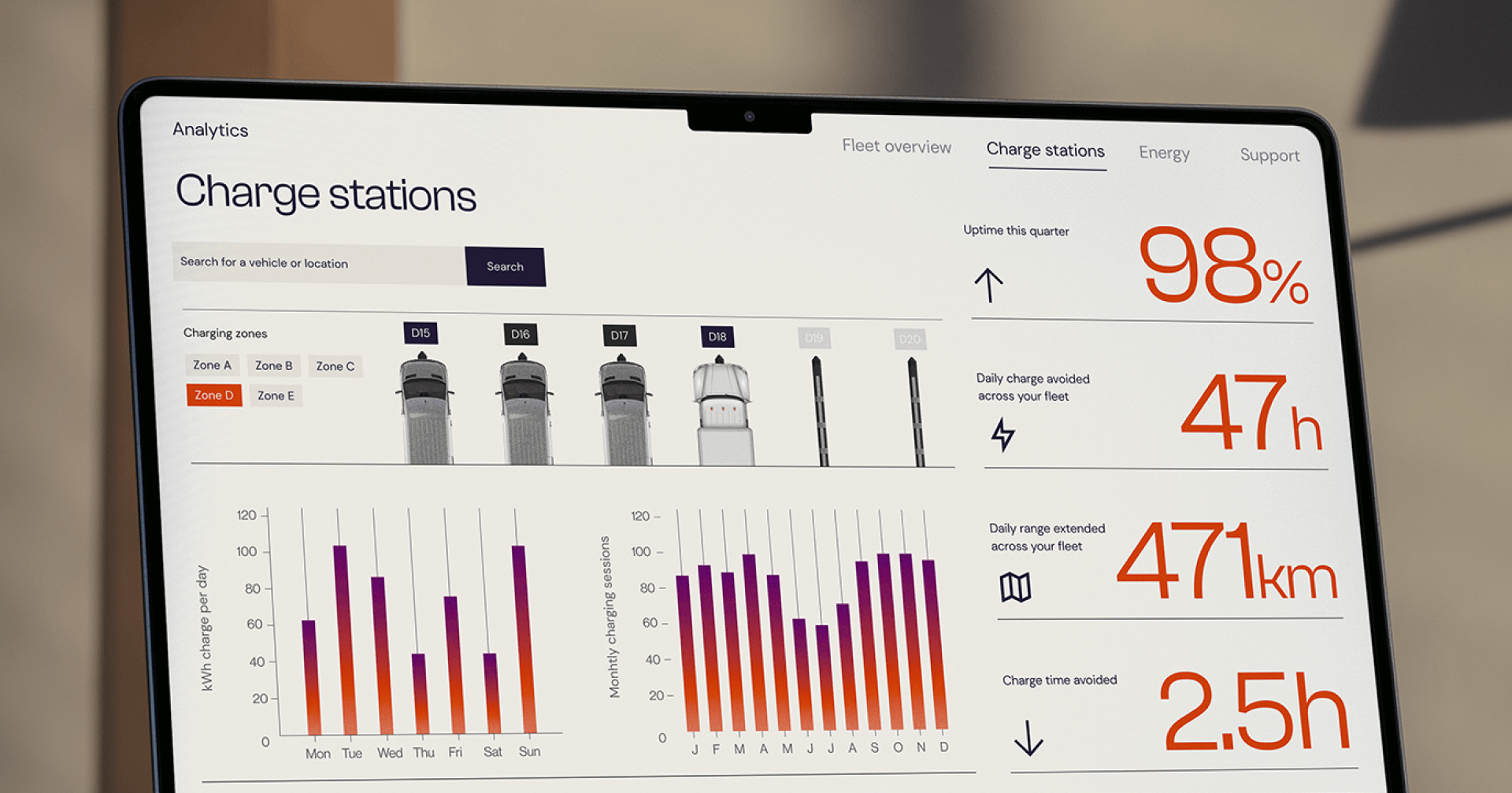
The stationary and dynamic charging setup powers five Terberg terminal tractors equipped with Elonroad's energy collector and is undergoing a 12-month demonstration period collecting useful performance data as part of the CEC-sponsored project. The data and lessons learned will help to inform and determine the feasibility of a wider implementation of hands-free charging technology in a marine terminal environment.
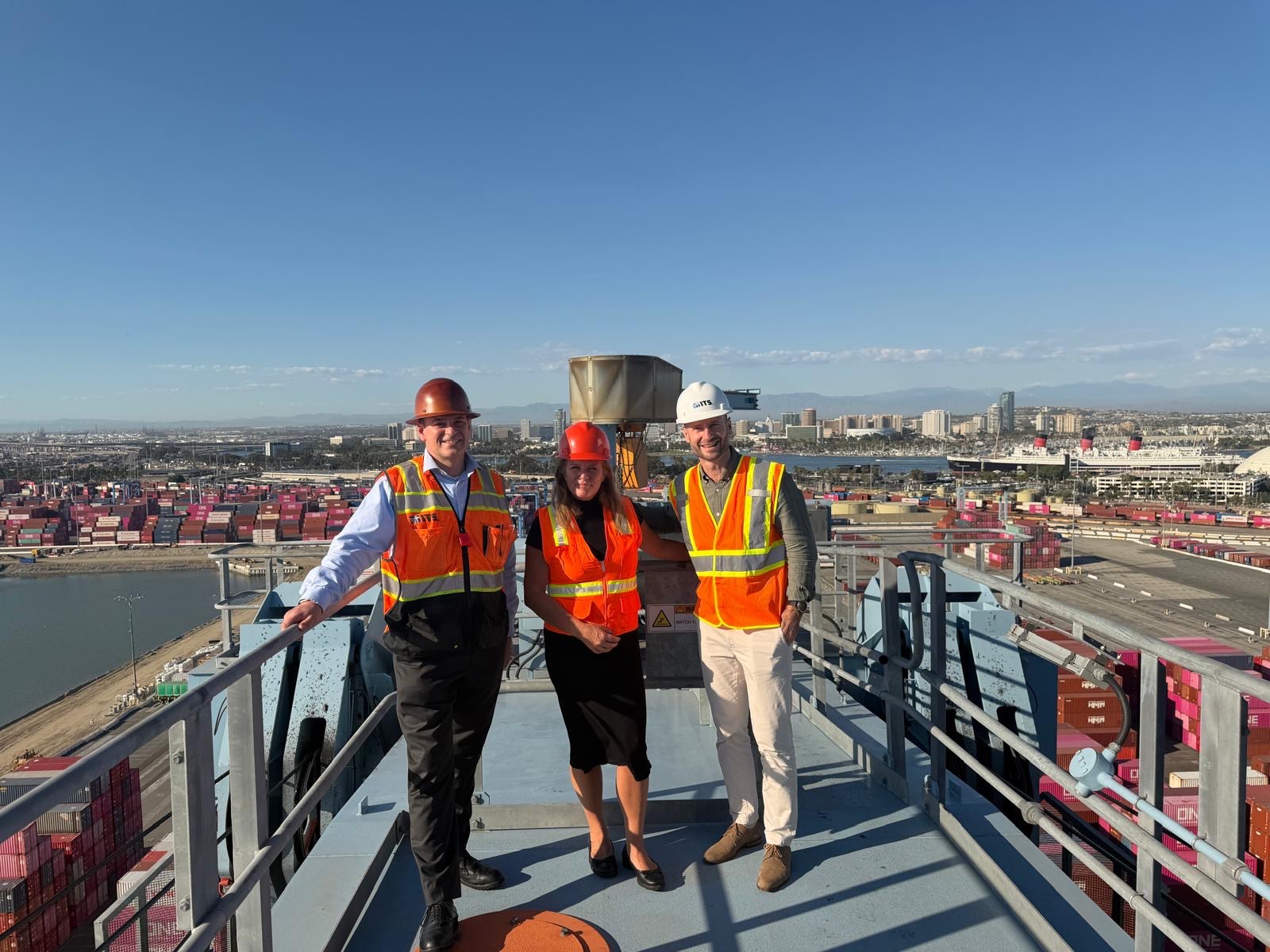
Our goal is to ensure that we achieve zero emissions while maintaining operational efficiency, and Elonroad's charging solutions offer us a promising way to balance both.Halfdan Ross, Chief Project Officer, ITS
The combination of dynamic and stationary charging provides flexibility and reliability, which are essential for our operations at the port.
The outcome
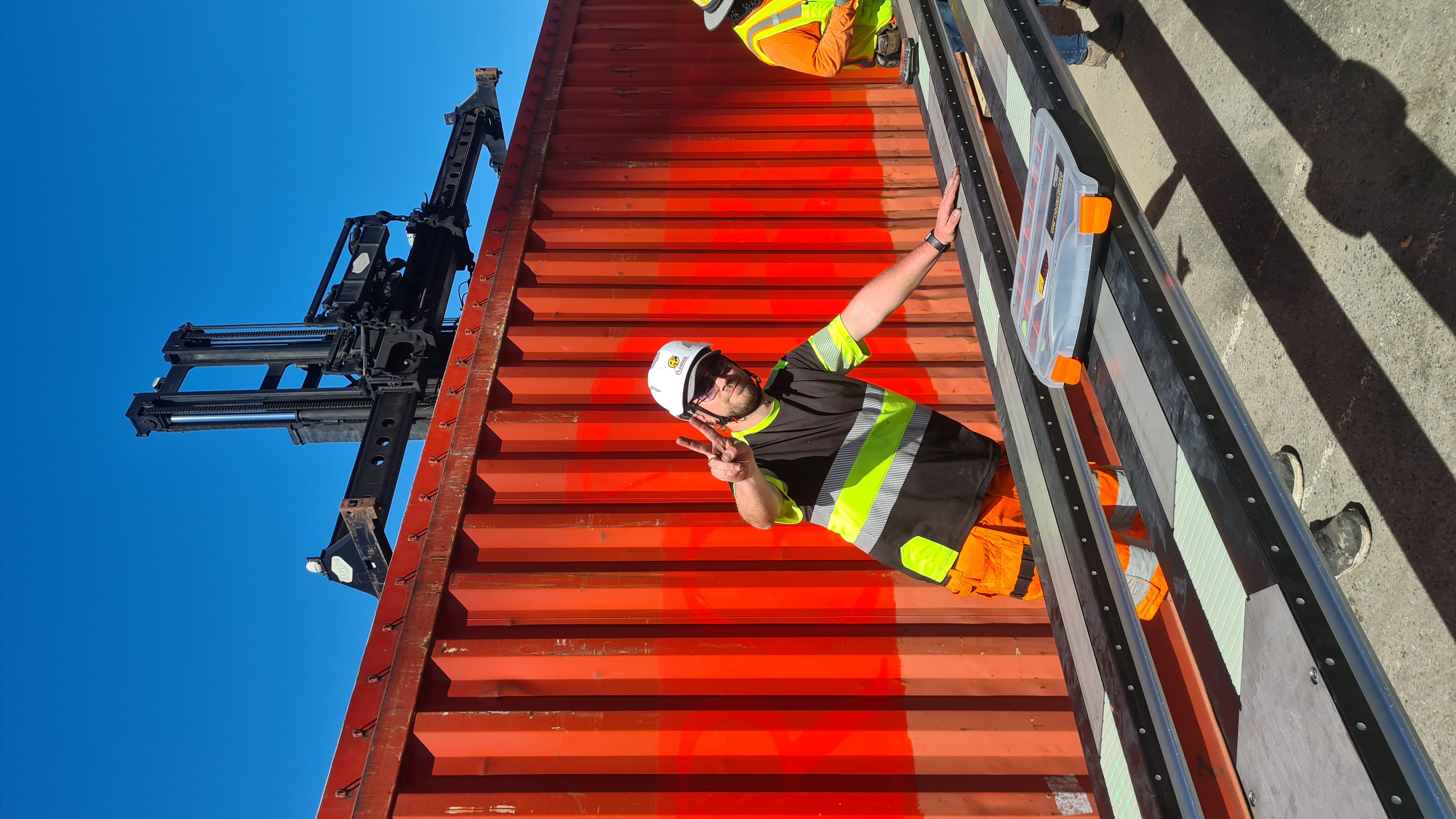
The stationary charging stations have been in daily operation at ITS since January 2026. The electric road beneath the ship-to-shore cranes was installed in two days, and drivers have welcomed the system.
ITS sums up the business case in three points: capital cost, space and installation cost. On all three, Elonroad comes out ahead. Add the system's tolerance for imprecise parking, and charging stops being something the terminal has to plan around.
The USD 4.5 million project is largely funded by the CEC's Clean Transportation Program. A successful deployment could lead to significant emissions reductions and more efficient port operations. It also supports California's goals to reduce dependence on petroleum fuels and increase the use of zero-emission vehicle technology.
- 30%Downtime savings
- 50%Smaller batteries
- 30%Space saving
Data points from ITS, with Elonroad charging in daily operation since January 2026.